Guest Perception Research
How do guests actually feel about robots in hotels? Recent surveys reveal surprising nuance.
A 2025 study of 2,000+ hotel guests across 4- and 5-star properties found that 71% of guests are curious about robot service, but only 54% say it enhances their stay. The difference is critical: curiosity doesn't equal satisfaction. Novelty wears off quickly, and guests judge robots by the same standards they judge human service: reliability, friendliness, and responsiveness.
Demographic breakdowns reveal:
- Age 18–35: 68% positive sentiment; view robots as modern and efficient
- Age 36–55: 52% positive; neutral on robots, prefer human interaction
- Age 55+: 35% positive; skeptical or intimidated by robots; prefer human staff
- Tech-forward travelers: 78% positive; expect robots as baseline service; more critical if systems fail
- Families with children: 81% positive; children find robots memorable (for good or bad)
Novelty vs. Utility: The Perception Curve
Guest perception of hotel robots follows a predictable curve:
Phase 1: Excitement (Weeks 1–4)
Guests marvel at robots. Social media fills with photos. Review scores tick upward. Staff struggles to manage excitement. But this phase is short-lived. Guests who return repeat-edly find robots mundane by visit 3.
Phase 2: Normalization (Weeks 5–12)
Robots become furniture. Guests expect reliability; any failure frustrates them disproportionately. Review sentiment stabilizes or drops. Guests begin comparing robot service to human service—and robots often lose. "The robot was slow" vs. "The concierge was slow" have different emotional weights.
Phase 3: Integration (Month 4+)
If robots perform consistently, they become accepted. Guests stop mentioning them in reviews (unless they malfunction). The key metric is whether robots genuinely improve service delivery—speed, accuracy, availability—versus adding novelty with no substance.
Implication: Hotels cannot rely on novelty for sustained guest satisfaction gains. Robots must solve real operational problems (faster room service delivery, 24/7 concierge availability, consistent floor cleanliness) or they'll disappoint.
Room Service Delivery Robots
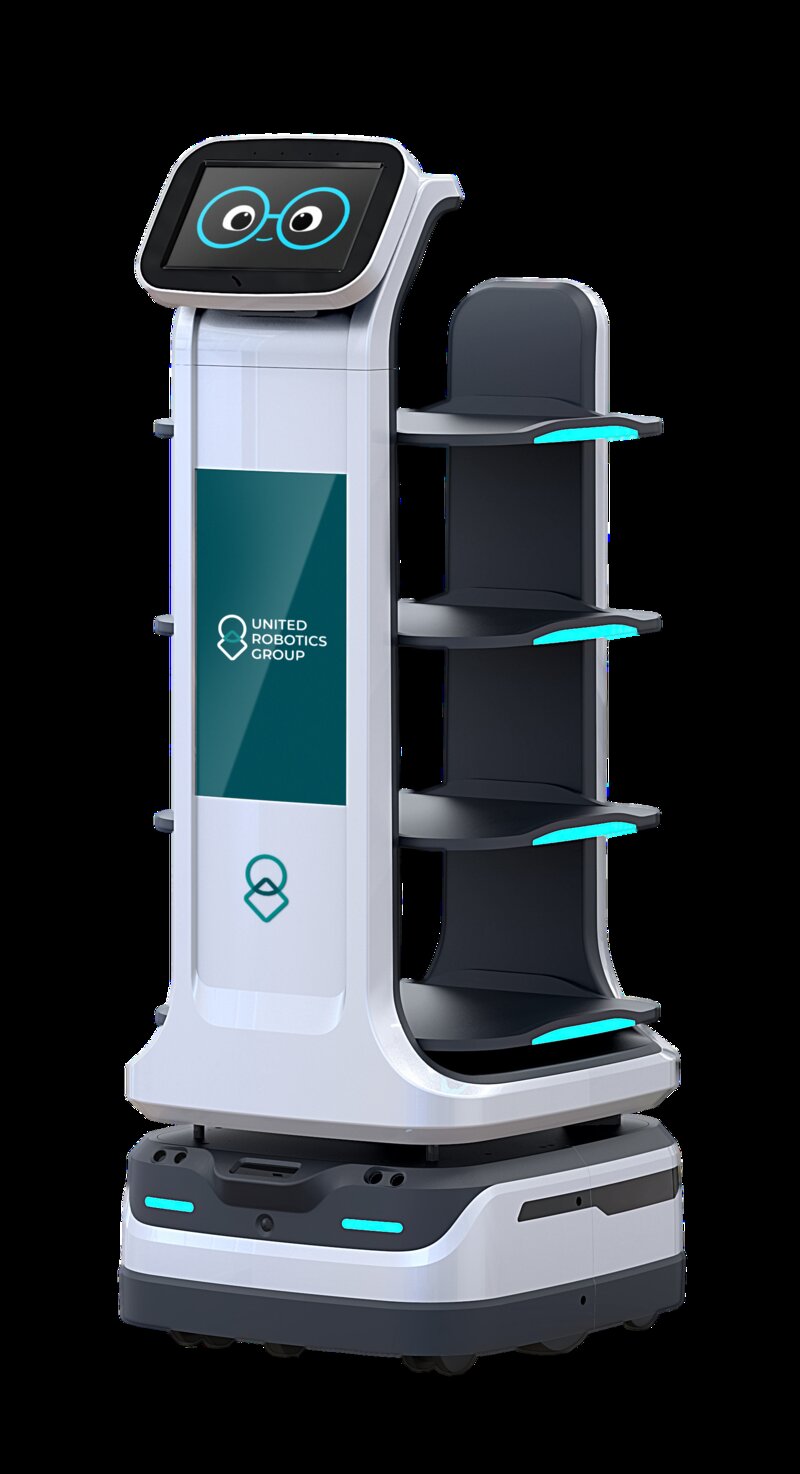
Autonomous delivery robots in hotels offer clear operational benefits: deliver snacks, toiletries, and room service orders 24/7 without tying up staff.
When Delivery Robots Enhance Experience
- Guest orders snack at 11 PM; robot delivers in 3 minutes (vs. 15+ for housekeeping phone call)
- Robot can navigate elevator; delivers to multiple floors independently
- Guest finds robot charming and takes photos; positive sentiment
- Reduces front desk call volume; staff handles complex requests instead
When Delivery Robots Disappoint
- Robot gets stuck in elevator: Delayed delivery + guest frustration. Staff must rescue robot manually.
- Robot can't handle orders with hot items: Soup, pizza, coffee don't survive robot delivery. Perception: "Robots aren't practical."
- Motion sickness in hallways: Guests in rooms near robot pathway report noise and disturbance during sleep.
- Guests expect free service because it's automated: Robot-delivered items perceived as cheaper; guests tip less or demand discounts.
Success Formula
- Restrict robots to snack and beverage orders (items that don't spoil or break)
- Limit delivery hours to avoid sleep disruption (e.g., 6 AM–10 PM)
- Train staff to position robots as premium service, not cost-cutting
- Always have a human backup: if robot delivery takes >5 minutes, staff manually delivers
Lobby Concierge Robots
Stationary robots in lobbies welcome guests, answer FAQs, and direct them to amenities. They're less intrusive than roaming robots and can drive high engagement.
When Lobby Robots Succeed
- Greeter role: Robot greets guests on entry: "Welcome to [Hotel]! May I help?" Feels premium and modern.
- Information hub: Guests ask about dining, fitness centers, attractions. Robot provides instant answers (no wait for concierge).
- Conversation starter: Guests interact with robot, take photos, mention in reviews positively.
- Multi-language support: Robot speaks 10+ languages; valuable for international travelers.
When Lobby Robots Fail
- Technical glitches: Robot freezes, crashes, or gives nonsensical answers. Guests lose confidence immediately.
- Perceived replacement of humans: If guests see robots as replacing jobs, sentiment turns negative. Framing matters: "Here to assist our team" vs. "Replacing staff."
- Over-personalization backfire: If robot calls guests by name (via phone data) without clear disclosure, guests feel spied on.
Success Formula
- Position robot as helper, not replacement: "Meet [Robot name], here to assist our concierge team"
- Ensure human hand-off: complex requests route to a human concierge via intercom or phone
- Update content weekly: robots with stale event information or restaurant info damage credibility
- Make the robot friendly, not corporate: personality and humor increase engagement
Cleaning Robot Visibility
Guests have strong opinions about seeing robots clean their rooms or common areas.
Visibility Preferences
Guest survey data:
- 62% prefer NOT to see cleaning robots: Cleaning feels intrusive. Guests want privacy and solitude in their rooms.
- 27% are neutral: "It's just doing a job; doesn't bother me."
- 11% prefer robots to human staff: No awkwardness, predictable, privacy-respecting.
Recommendations
- Schedule robot cleaning during check-out, not in-room: Clean hallways and common areas while guests are out. Clean rooms only after checkout and before check-in.
- Mark robot presence: Post signage: "Automated cleaning in progress" so guests avoid surprise encounters.
- Offer opt-out: Some guests want robot cleaning (faster, safer post-COVID). Others prefer traditional housekeeping. Respect preference at booking.
- Highlight benefit: "Rooms are cleaned every 4 hours via advanced robots—guaranteed consistency and safety" resonates more than "We have robots."
Impact on Review Scores and Bookings
The real question: do robots increase bookings and review scores?
Honest answer: measured impact, context-dependent.
Hotels with well-implemented robot programs (strong execution, clear guest communication, reliable technology) see:
- +0.3 to +0.5 star improvement in average review scores (on 5-star scale)
- +15–25% mentions of "modern" or "innovative" in online reviews
- +3–8% increase in repeat bookings among tech-forward demographics (age 18–35)
- +5–12% increase in media mentions and social media posts (good for marketing)
But hotels with poorly-executed robot programs (frequent failures, inconsistent service, guest frustration) see:
- -0.2 to -0.4 star decrease in review scores
- Negative reviews mentioning robots specifically (e.g., "Robot broke down, staff didn't know how to fix it")
- Reduced trust in hotel technology capabilities
Critical Success Factor: Reliability
A robot that works 95% of the time is perceived as "broken." Guests expect 99%+ uptime. If a robot fails even once during a guest's stay, they remember it and mention it in reviews. Invest heavily in maintenance, staff training on troubleshooting, and failover procedures (human backup when robot is down).
When Robots Help vs. Hurt Guest Experience
Here's the honest matrix:
| Scenario | Guest Experience Impact | Revenue Impact |
|---|---|---|
| Delivery robot: brings snack in 3 min at 11 PM (vs. no service available) | ✓ Positive. Convenience appreciated. | +10–15% room service revenue |
| Delivery robot: delivers pizza, arrives cold (hot item on robot) | ✗ Negative. Worse than phone delivery option. | -20% guest satisfaction on order |
| Lobby robot: greets guests, provides info in 5+ languages | ✓ Positive. Feels premium, helpful. | +0.3 stars, +8% bookings (tech demographic) |
| Lobby robot: malfunctions during peak hours, blocks entry | ✗ Negative. Feels like broken promise of modernity. | -0.5 stars, viral negative reviews |
| Hallway cleaning robot: enables 4x/day cleaning (vs. 1x), visible only at 6 AM | ✓ Positive. Guests appreciate pristine, safe environment. | +0.2 stars, +5% repeat bookings |
| Hallway robot: blocks guest passage 3x/day during high traffic | ✗ Negative. Inconvenience outweighs benefits. | -0.3 stars, complaints to management |
Design and Branding Considerations
How the robot looks and is positioned matters enormously.
Robot Design Preference
Guests respond better to robots that are:
- Cute or charming: Rounded edges, expressive indicators. Guests want robots to feel non-threatening.
- Branded: If robot wears your hotel's colors or logo, it feels like part of the team.
- Named and personified: "Meet Bailey, our delivery assistant" creates emotional connection vs. generic "delivery robot."
- Simple in function: A robot that does one thing well (deliver items) beats a robot that does three things poorly (deliver, greet, navigate).
Communication Strategy
- Frame as enhancement: "We've added robots to improve service speed and availability" vs. "We're replacing staff with robots"
- Train staff to advocate: "That's Bailey, our delivery robot. She can bring you anything you order 24/7. Free to use!" Positive framing from staff drives guest adoption.
- Respond to concerns: If guests worry robots are replacing jobs, address directly: "Robots free our team to focus on personal service—reservations, recommendations, special requests."
Staff-Robot Coordination for Seamless Service
The best hotels make robots invisible—not in sight, but in seamless integration with human service.
Operational Best Practices
- Cross-train staff to operate and troubleshoot robots (not a single "robot person")
- Create clear escalation: if robot fails, manual service kicks in within 2 minutes
- Schedule robot tasks off-peak (early morning cleaning, off-hour deliveries) to avoid guest friction
- Measure robot uptime religiously; report weekly to management
- Gather guest feedback on robots (survey, comment cards); adjust based on input
- Celebrate robot successes with staff—morale boost, not job-threat language
- Have a "robot failure plan": if robots go down, staff knows exactly how to absorb their duties
Guest Communication
- Mention robots in pre-arrival email: "Enjoy our innovative service robots" (positive framing)
- Provide opt-in/opt-out for robot services at check-in
- Answer questions openly: "Yes, robots can access all floors via elevators. Yes, they're safe. No, they're not replacing anyone."
The Verdict
Hotel robots can enhance guest satisfaction, but only when they solve real operational problems and are executed flawlessly. A delivery robot that brings drinks 24/7 adds value. A robot that delivers cold pizza and gets stuck in hallways destroys value. A cleaning robot that polishes your lobby at 5 AM while guests sleep feels premium. A robot blocking guest passage during day feels like a nuisance.
The difference between success and failure isn't the robot—it's the hotel's commitment to integration, maintenance, staff training, and guest communication. Robots are a tool, not a magic wand. Use them to genuinely improve service, and guests will remember your hotel positively. Use them as a gimmick, and guests will remember your hotel as trying too hard.