Expert guides, industry insights, and everything you need to make informed decisions about autonomous robotics.
Everything facility managers need to know — ROI, key features, and deployment planning.
Nurses spend 30% of shifts on transport. Autonomous robots are changing that.
Real numbers — labor costs, payback periods, and three facility scenarios to benchmark.
The staffing crisis isn't going away. Robots are filling the gap — and guests love it.
Mobile robots are transforming what happens between workstations — with real impact.
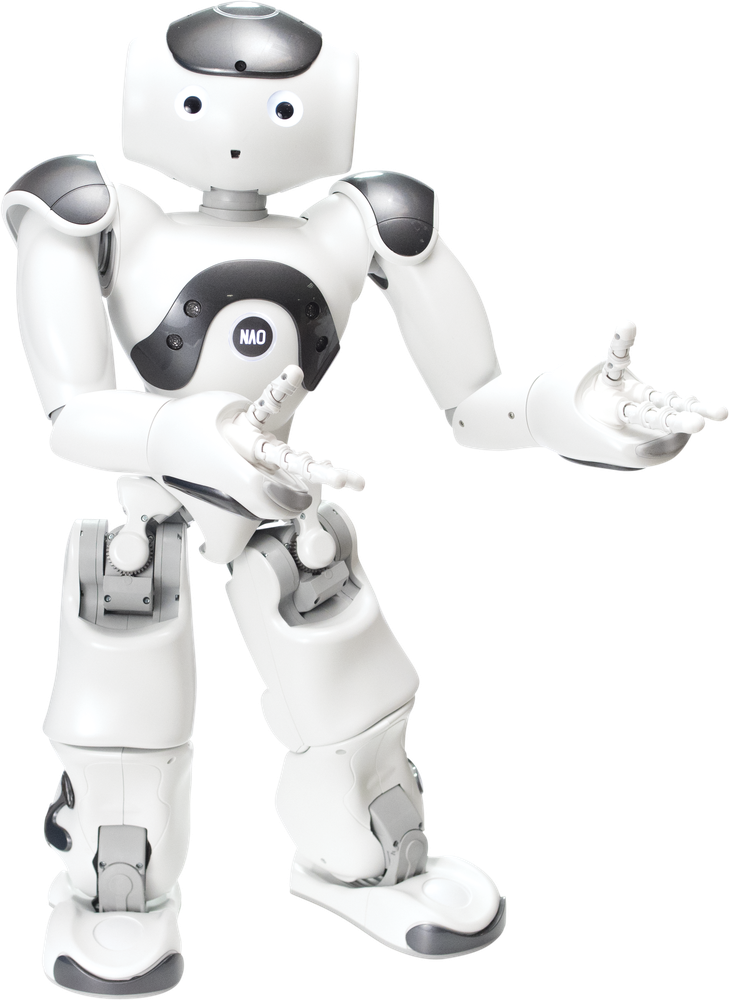
Real humanoid robots in classrooms are transforming student engagement and STEM interest.
First Lady Melania Trump walked alongside Figure AI's Figure 03 humanoid robot at a White House education summit on March 25, inviting first spouses from around the world to envision "Plato-style" AI educators. The robot greeted attendees in multiple languages — the first American-made humanoid guest in the White House.
This is a watershed moment for robotics in education. When humanoid robots go from trade show floors to the White House, the conversation shifts from "is this real?" to "how do we get started?" At URG Americas, we have been deploying humanoid robots in classrooms through our uLearn program — and the engagement we see from students mirrors exactly what the summit showcased. The technology is not a future concept. Schools across the U.S. are already using it.
Primech AI's Hytron won a TechRadar Pro Picks Award at CES 2026 — a machine that cleans toilets, urinals, sinks, mirrors, and floors without human intervention. Built on NVIDIA's Jetson Orin platform with hospital-grade disinfection. Mass production began Q2 2026.
Restrooms have always been the frontier autonomous cleaning could not reach — until now. While our uClean robots handle large floor areas, the Hytron represents the next frontier: fixture-level cleaning. Every advance in autonomous cleaning builds buyer confidence and expands the market. Facility managers who see robots conquering restrooms will be even more ready to deploy them on their floors and lobbies.
The global educational robots market has reached ~$2 billion in 2026, heading toward $4+ billion by 2031. Humanoid robots account for 40% of installations, driven by curriculum integration and evidence that robot-assisted learning doubles STEM retention.
A $2 billion market growing at 15–20% annually is no longer a niche — it is a sector. What excites us most is the shift from novelty to curriculum integration. Our uLearn platform is designed for exactly this: not a one-time classroom visit, but a lasting educational tool. The market numbers confirm what we hear from educators every day — this is a permanent shift in how STEM is taught.