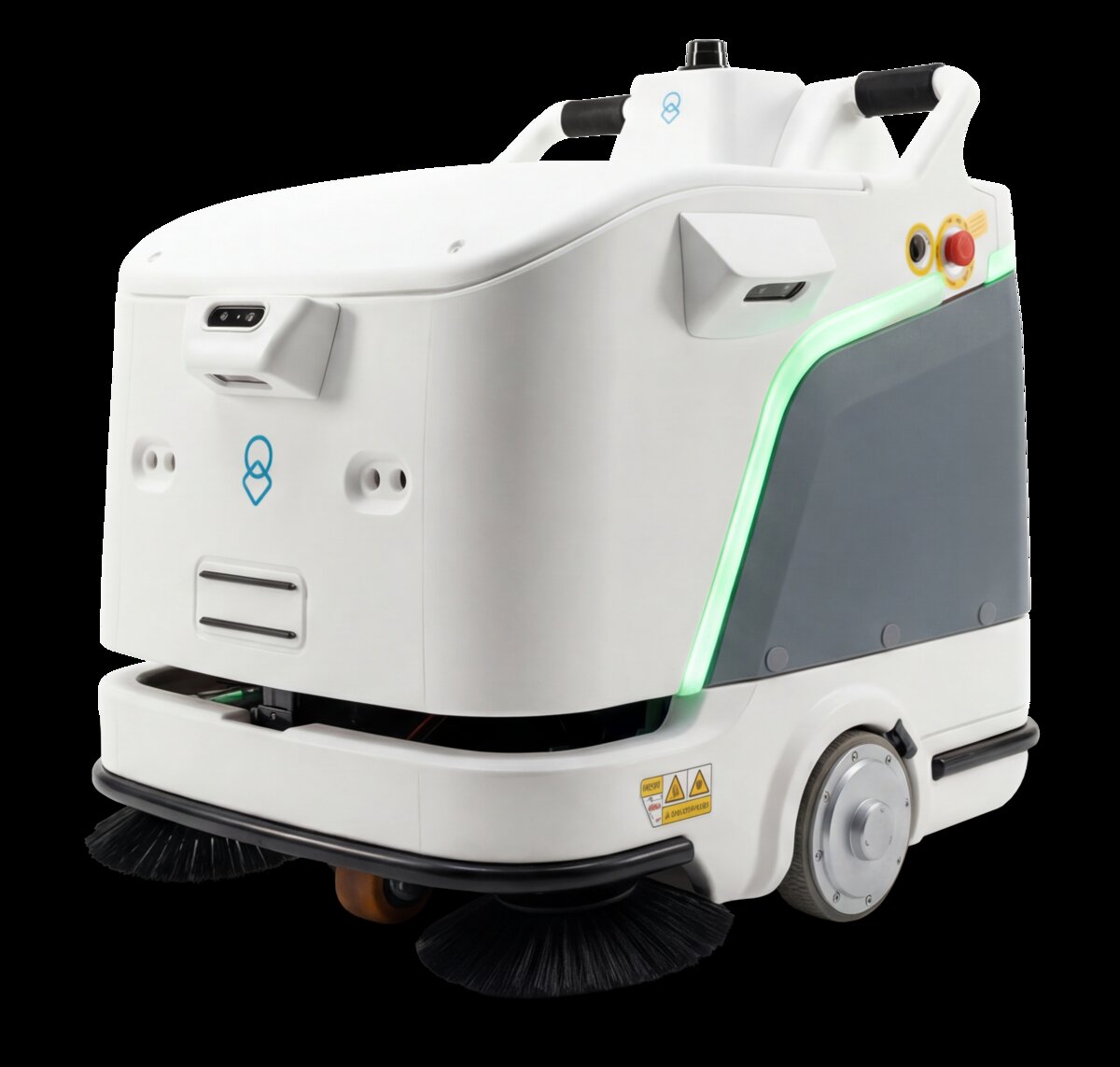
Understanding Floor Types & Robot Capabilities
Autonomous cleaning robots aren't one-size-fits-all. Different flooring materials require different cleaning approaches. A robot optimized for hard concrete floors may scratch polished marble. A robot designed for commercial tile might lack the gentle touch needed for luxury vinyl plank. Before investing in a robot cleaner, audit your facility's floor types and select equipment accordingly.
Key variables influencing robot selection:
- Floor material composition: Concrete absorbs moisture differently than marble; tile has grout lines requiring special attention
- Surface finish: Polished, matte, textured, or sealed surfaces respond differently to brushes and pressure
- Porosity: Some floors absorb cleaning solution; others resist it, affecting drying time
- Sensitivity to moisture: Some finishes require minimal water; others tolerate wet cleaning
- Traffic patterns: High-traffic areas require more aggressive cleaning; delicate spaces need gentler approaches
Pro Tip: Test Before Committing
Most robot manufacturers offer short-term trials or demonstrations. Before purchasing, request a test run on your actual flooring in your facility. Observe the robot's interaction with your specific materials, surfaces, and traffic patterns. This reveals compatibility issues before investment.
Hard Floors: Concrete, Vinyl, Epoxy, Terrazzo, Tile
Concrete
Characteristics: Porous, absorbs moisture, moderate durability, common in warehouses/industrial facilities
Robot requirements: Medium-pressure brushes, higher solution volume tolerance (concrete absorbs water without damaging), simple two-brush design adequate
Best practices: Use uClean C-Dry or L-Dry models. Adjust brush pressure for specific concrete texture (smooth vs. rough). Monitor solution consumption; porous concrete requires more frequent refills than other surfaces.
Vinyl Plank & Vinyl Composite Tile (VCT)
Characteristics: Non-porous, moisture-resistant, common in offices/classrooms, relatively delicate
Robot requirements: Lower-pressure, softer brush systems to avoid scratching; quick-dry capability (excess water can cause swelling/warping)
Best practices: uClean Compact Pro ideal (lower pressure, efficient drying). Use microfiber brush pads rather than aggressive bristles. Minimize solution application; dry thoroughly within 1-2 hours of cleaning.
Epoxy & Polished Concrete
Characteristics: High-durability, chemical-resistant, slick surface, expensive to install
Robot requirements: Precise pressure control (too high causes scratching; too low leaves residue), gentle brush engagement
Best practices: uClean Omnie with adjustable pressure settings. Use specialized polished-surface cleaning solution (avoid standard degreasers). Test extensively before committing to regular cleaning.
Terrazzo
Characteristics: Marble/granite chips in cementitious binder, luxurious appearance, sensitive to acidic solutions
Robot requirements: Neutral pH cleaning solutions only, gentle pressure, specialized care protocol
Best practices: Use only pH-neutral cleaners approved for terrazzo. Test solution compatibility first. Lower brush pressure; let solution dwell rather than scrubbing aggressively.
Tile & Grout
Characteristics: Hard surface with grout lines (grout is porous, traps dirt), durable, varies by tile material (ceramic, porcelain, natural stone)
Robot requirements: Brush system that targets both tile surface and grout lines, higher pressure capability, good solution control
Best practices: uClean L-Dry optimal (larger brushes cover more area, pressure adequate for grout penetration). Use mild acidic solution (vinegar-based) for grout cleaning. High-traffic tile areas may benefit from pre-soaking.
Carpet & Soft Surfaces
Important note: Most uClean robots are designed for hard floors. Carpet requires specialized equipment (carpet extraction, different brush engagement). If your facility has significant carpeted areas, clarify with manufacturer whether their robot handles carpet safely.
Carpeted areas in hybrid facilities: If you have both hard floors and carpet, deploy separate robots for each surface type. A hard-floor robot doesn't adequately clean carpet; a carpet robot (if wet-extracting) may leave hard floors too wet.
Carpet edges & transitions: If your robot will transition between hard floors and carpet, ensure:
- Robot can detect carpet (sensors recognize pile height difference)
- Brush engagement automatically adjusts (softer pressure for carpet)
- Solutions are carpet-safe (no residue that attracts dirt)
Polished & Specialty Surfaces
Marble & Granite
Characteristics: Luxury natural stone, sensitive to acids/abrasives, high cost, porous (sealing required)
Robot requirements: Specialized care protocol, pH-neutral solutions, minimal pressure, experienced operator
Robots suited: Omnie model with customizable pressure. Consult manufacturer before using on natural stone; some robots not recommended for marble.
Polished Wooden Floors
Characteristics: Moisture-sensitive, slick surface, scratch-prone, common in offices/hospitality
Robot requirements: Very minimal water use, soft pads (no bristles), specialized wood-floor solution
Robots suited: Compact Pro model with microfiber pads, minimal solution application. Dry immediately after cleaning.
Outdoor & Industrial Floors
Outdoor Concrete & Asphalt
Characteristics: Rough texture, high traffic, weather exposure, debris accumulation
Robot requirements: High-pressure capability, robust brush system, waterproof electronics, ability to operate in varying weather
Robots suited: uClean L-Dry with upgraded weather resistance. Monitor battery capacity in hot weather (reduced performance). Clear debris before robot deployment.
Industrial/Warehouse Floors
Characteristics: Heavy soiling, high-traffic, stains from machinery/chemicals, variable surfaces
Robot requirements: High-pressure system, chemical-resistant materials, large solution capacity, fast cycle time
Robots suited: uClean L-Dry optimized for industrial use. Pair with industrial-strength degreasers. Plan for more frequent brush/pad replacement.
Brush Types & Pressure Settings
Robot brush systems vary significantly. Understanding options helps you select correctly:
| Brush Type | Pressure Range | Best For | Avoid For |
|---|---|---|---|
| Nylon bristles (standard) | Medium-High (40-80 psi) | Concrete, tile, industrial floors | Polished surfaces, vinyl, wood |
| Microfiber pads | Low (10-30 psi) | Vinyl, polished wood, marble | Heavy soiling, grout lines |
| Soft nylon (curved bristles) | Low-Medium (20-50 psi) | Dual-surface facilities, gentle cleaning | Heavy industrial soiling |
| Rotary brush (dual-axis) | Variable (10-100 psi) | Grout, heavy soiling, industrial | Delicate surfaces |
Pressure calibration: Most uClean robots allow pressure adjustment. Start conservative (lower pressure), then increase if soiling persists. Document settings per floor type for consistent results.
Solution Compatibility & Maintenance
Solution Selection
Cleaning solution matters as much as robot hardware. Match solutions to floor type:
Avoid Incompatibilities
Never use acidic solutions on natural stone (marble, granite). Never use oil-based cleaners on vinyl (causes slipping). Always verify solution compatibility with your specific floor type before applying. Test solutions on inconspicuous areas first.
Maintenance & Brush Replacement
Brush wear varies by floor type and soiling level:
- Smooth floors (vinyl, polished): Lower wear; replace pads every 6-12 months
- Rough floors (concrete, tile): Higher wear; replace brushes every 3-6 months
- Industrial/outdoor: Accelerated wear; inspect monthly, replace every 2-3 months
Worn brushes reduce cleaning effectiveness and can scratch surfaces. Monitor brush condition as part of routine maintenance.
Decision Matrix & Common Mistakes
Use this decision matrix to select the right uClean model for your facility:
| Your Facility | Primary Floor Type | Recommended Robot | Pressure Settings | Key Consideration |
|---|---|---|---|---|
| Office (vinyl, polished wood) | Vinyl, hardwood | Compact Pro | Low (20-30 psi) | Quick-dry; microfiber pads essential |
| Hospital/Facility (tile, vinyl mix) | Tile, vinyl | Omnie | Variable (20-60 psi) | Flexibility to handle both surfaces; infection control solution |
| Warehouse (concrete) | Concrete | L-Dry | High (60-80 psi) | Large tank capacity; industrial-strength cleaner |
| Retail/Mall (diverse floors) | Tile, marble accents, polished | Omnie or C-Dry | Medium (30-60 psi) | Aesthetic importance; test on marble before full deployment |
| Outdoor facility | Concrete, asphalt | L-Dry (weather-rated) | High (70-100 psi) | Weather resistance; debris management |
Common Mistakes to Avoid
1. Oversizing pressure for "better cleaning"
Higher pressure doesn't always mean better results. Excessive pressure damages delicate surfaces (vinyl, wood, marble). Start low; increase only if soiling persists.
2. Using incompatible solutions
Acidic cleaners damage natural stone. Oil-based products cause vinyl slipping. Using wrong solution can cost more in floor damage than robot savings. Verify compatibility first.
3. Ignoring grout lines
Grout traps dirt; robots with insufficient pressure leave grout dirtier than surrounding tile. For grout-heavy facilities, use robots with higher pressure and grout-specific solutions.
4. Selecting robot based on price, not floor type
A Compact Pro may seem cost-effective until it scratches polished flooring. Match robot to floor type first; price is secondary consideration.
5. Deploying without testing
Always test on actual flooring before full deployment. Show up expecting one outcome and discover the robot scratches, leaves streaks, or doesn't adequately clean? Too late—you've committed. Test first.
Ready to Deploy a Cleaning Robot?
URG Americas' uClean robot line is engineered for diverse floor types. We provide detailed compatibility guidance, onsite testing, and customized maintenance plans to ensure your robot maximizes cleaning while protecting your valuable flooring.
Get Your Flooring Assessment TodayConclusion
Successful robot deployment starts with understanding your facility's unique flooring. Different materials require different approaches: concrete tolerates high pressure; vinyl requires gentle handling; marble demands specialized care. Select a robot matched to your primary floor type, verify solution compatibility, and always test before committing. With proper matching, autonomous cleaning robots deliver years of efficient, effective service while preserving your facility's appearance and value.