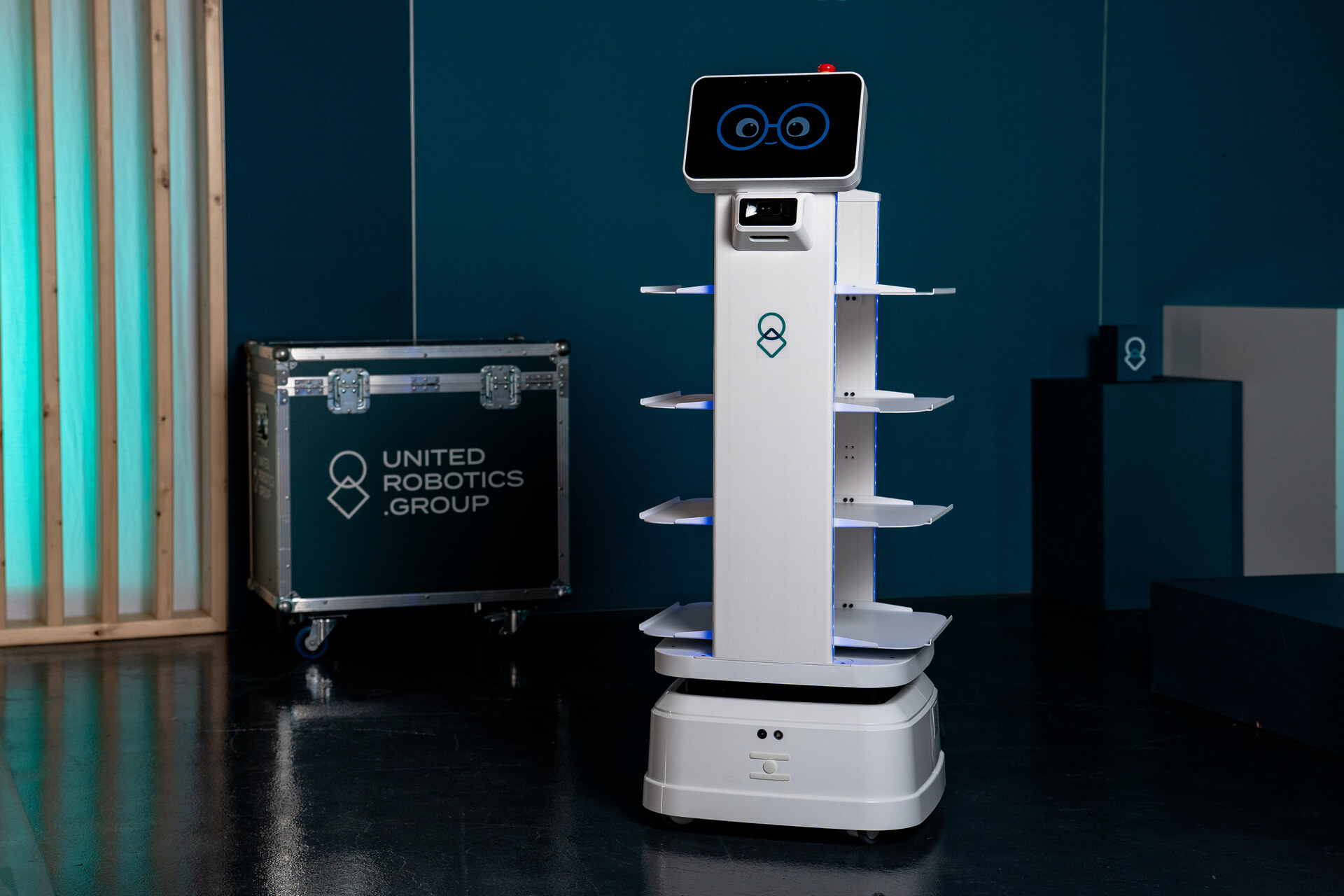
Understanding Liability: Who's Responsible?
When an autonomous robot causes injury or property damage, the question of liability becomes complex. Unlike traditional equipment accidents where fault is clear, robot incidents involve multiple potential responsible parties: the manufacturer, the facility operator, the maintenance provider, and sometimes the robot's software. Understanding who is liable under what circumstances is essential for facility managers.
The legal framework depends on several factors: whether the accident resulted from a design defect, operator error, inadequate maintenance, or unforeseen circumstances. A robot that malfunctions due to a manufacturing defect typically implicates the manufacturer. A robot that causes damage due to operator negligence or failure to maintain it implicates the facility. Most real incidents fall into gray areas requiring investigation.
Facility managers should understand their exposure early in the deployment process and structure insurance accordingly. Waiting until after an incident to address these questions is too late.
Product Liability vs. Operator Liability
Product Liability
Product liability covers damage caused by defects in the robot's design, manufacturing, or instructions. If a uLog delivery robot's navigation system fails, causing it to collide with a person due to faulty sensors, that's a product liability claim against the manufacturer. Examples:
- Design defect: Robot lacks collision avoidance capability that competitors offer
- Manufacturing defect: Brake system fails due to substandard welding
- Warning defect: Instructions fail to warn about a known hazard
Manufacturers typically carry product liability insurance. However, your facility may have a secondary exposure if it's discovered that you operated the robot in violation of safety guidelines or failed to implement required maintenance.
Operator Liability
Operator liability covers damage caused by your facility's negligence in deploying, maintaining, or managing the robot. Examples:
- Deploying a robot in an area with known obstacles without proper hazard mitigation
- Failing to perform required maintenance, leading to system failure
- Operating a robot beyond its designed specifications (overloading uLog's payload capacity)
- Inadequate staff training leading to improper robot operation
- Ignoring manufacturer safety protocols
Your facility's general liability insurance may cover operator liability, but coverage limits and exclusions vary widely. Many standard policies exclude or limit coverage for autonomous equipment. You may need specialized robotics liability coverage to fill gaps.
Critical Point: Read Your Insurance Policy
Contact your insurance broker before deploying robots. Ask explicitly whether your general liability policy covers autonomous equipment and what exclusions apply. Don't assume coverage exists—get written confirmation. If coverage is limited, explore specialized robotics insurance options.
Insurance Coverage Options
General Liability Insurance (Standard Policy)
Most facilities already carry general liability insurance covering bodily injury and property damage. Before deploying robots, verify whether autonomous equipment is included or excluded. Some policies have broad coverage; others explicitly exclude robots. Coverage limits typically range from $1M-$5M.
Advantages: Simple, already in place, competitive premiums
Disadvantages: May have exclusions, coverage limits may be insufficient for high-risk operations, may require endorsement
Specialized Robotics Liability Insurance
Emerging insurance products specifically cover autonomous robots. These policies address gaps in standard general liability coverage and offer features tailored to robotics risks:
- Coverage for autonomous equipment – Explicitly covers robot-caused injuries and property damage
- Cyber liability protection – Covers damages from hacking or software vulnerabilities
- Regulatory liability – Covers fines or penalties if operating outside compliance
- Loss of operations – Covers lost productivity if robots must be shut down
- Higher coverage limits – Premiums scaled to match robot fleet size and risk level
Specialized policies are available from insurers including Hiscox, AIG, and others. Costs range from $2,000-10,000+ annually depending on robot type, quantity, facility risk profile, and coverage limits.
Cyber Liability Insurance
As robots become networked and autonomous systems more sophisticated, cyber liability becomes relevant. If a hacker gains control of a robot and causes injury, whose insurance covers it? Cyber liability policies typically cover:
- Damages from malware or hacking affecting robot control systems
- Costs to notify affected parties and manage public relations after breach
- Regulatory penalties for data breaches
Costs: $3,000-15,000+ annually. Consider this if your facility deploys connected robots that process sensitive data.
Manufacturer Warranty & Indemnification
Your robot purchase agreement should include:
- Warranty – Manufacturer guarantees robot functions as specified for defined period (typically 1-2 years)
- Indemnification clause – Manufacturer covers legal costs and damages if robot causes injury due to defect, provided you operated it according to guidelines
Ensure your contract with the robot manufacturer includes robust indemnification language. Manufacturers should defend you against product liability claims arising from defects in their design or manufacturing.
Safety Certifications & Standards
Robots certified to recognized safety standards dramatically reduce liability exposure. When selecting robots, verify compliance with:
| Standard | Coverage | Relevance |
|---|---|---|
| ISO 10218 | Industrial robot safety | Covers design, manufacture, and operation safety requirements |
| ISO/IEC 61508 | Safety of electrical/electronic systems | Ensures robot control systems meet safety integrity levels |
| ISO 13849-1 | Safety-related control systems | Specifies risk assessment and safety function performance |
| ANSI/NFPA 79 | Electrical safety in industrial equipment | U.S. standard for electrical safety in robot design |
| UL 1740 | Robots and robotic equipment safety | U.S. certification standard; required for many commercial deployments |
| CE Marking | European conformity | Indicates compliance with EU safety directives; required for EU operations |
When evaluating robots, ask manufacturers: "Is this robot certified to UL 1740, ISO 10218, and ANSI standards?" Certification provides strong evidence that the robot meets safety best practices. Non-certified robots carry higher liability risk.
Common Incident Patterns & Claims
Understanding real-world incidents helps you mitigate risks in your facility. Based on early autonomous robot deployments:
Collision & Contact Injuries
Most common incident type. Robot contacts person, causing minor injury (bruising, abrasion) or property damage. Factors:
- Insufficient warning or signaling (people don't notice approaching robot)
- Robot operating in space shared with pedestrians without physical barriers
- Sensor failure or degradation (dirt, reflective surfaces interfering with detection)
Mitigation: Deploy robots during low-occupancy hours, use barriers/geofencing, maintain sensors, train staff on robot presence signals.
Payload-Related Incidents
Robot delivers over-weight load, causing tipping or injury. Examples:
- uLog robot exceeds payload capacity; cargo shifts or robot tips
- Improper loading of uClean's solution tank leads to spill
Mitigation: Verify load weight before dispatch, train staff on weight limits, implement payload validation systems.
System Failures
Robot malfunction leads to damage or injury:
- Navigation system failure causes collision with walls or obstacles
- Brake failure in uLog results in uncontrolled movement
- Battery malfunction causes fire or rupture
Mitigation: Regular maintenance per manufacturer specs, immediate shutdown of malfunctioning robots, documented repair logs.
Training & Procedure Violations
Staff misuse robots due to inadequate training or unclear procedures:
- Staff operate robot outside designated work areas
- Maintenance performed by untrained personnel
- Robot used in ways not specified by manufacturer
Mitigation: Comprehensive staff training, documented procedures, regular refresher courses, access controls on robot operation.
Documentation & Record-Keeping
In the event of an incident claim, documentation determines liability. Maintain detailed records for every robot:
If an incident occurs and you're asked, "Did you perform required maintenance?" you need evidence: maintenance logs with signatures and timestamps. Without documentation, claims adjusters may assume negligence.
Risk Mitigation Best Practices
Pre-Deployment Planning
- Facility audit: Map robot operating areas, identify hazards, plan routes to minimize pedestrian contact
- Insurance review: Confirm coverage with broker; purchase supplemental robotics insurance if needed
- Safety assessment: Document facility conditions (flooring type, lighting, obstacle density) and how they affect robot safety
- Regulatory review: Verify local regulations for autonomous equipment; some jurisdictions have emerging robot licensing or safety requirements
Operational Best Practices
- Barrier & geofencing: Use physical barriers or software geofencing to restrict robots to designated areas
- Visual signals: Ensure robots emit clear sounds or lights indicating operation
- Operator protocols: Define when robots can operate, who can authorize deployment, how to handle exceptions
- Emergency procedures: Establish clear process for stopping robots in emergencies, with staff trained
- Maintenance discipline: Strict adherence to manufacturer maintenance schedules; never defer critical maintenance
Regular Review & Continuous Improvement
- Monthly incident reviews—even near-misses indicate systemic issues
- Quarterly insurance policy reviews—as robot fleet expands, ensure coverage keeps pace
- Annual safety audits—bring in external expert to assess robot operations and identify risks
- Staff feedback sessions—operators often spot safety issues before incidents occur
Working with Your Insurance Provider
Your insurance broker is your partner in managing robot risk. Engage them proactively:
Before Deployment
Schedule a call with your broker to discuss robot plans. Provide:
- Robot models and quantities
- Facility layout and operating environment
- Intended use cases and operating hours
- Your staff's experience with autonomous equipment
Ask: Is your current policy adequate? Do you need supplemental coverage? What are the policy exclusions?
After Deployment
Many insurers offer reduced premiums for facilities with robust safety programs. Document your efforts:
- Staff training and certification programs
- Maintenance documentation
- Safety protocols and incident response procedures
- Regular safety audits and improvement initiatives
Share this documentation with your insurer. It demonstrates your commitment to risk management and may qualify you for premium reductions.
Ready to Deploy Robots Responsibly?
URG Americas provides comprehensive safety training, certification, and documentation support to ensure your robot deployment meets all liability and regulatory requirements. We work with your insurance provider to ensure seamless coverage and risk mitigation.
Contact Us About Safety & LiabilityConclusion
Liability and insurance for autonomous robots is a complex but manageable challenge. Understand the distinction between product liability and operator liability. Verify your insurance coverage explicitly before deploying robots. Select certified robots that meet recognized safety standards. Maintain meticulous documentation of maintenance, training, and incidents. Follow manufacturer safety protocols and implement facility-level safeguards. By addressing these issues proactively, you protect your facility, your staff, and your investment in robotic automation.